

Moroccan embroidery is not one craft but seven, and that fact decides who should teach you. A two-hour hotel workshop and a women's cooperative in Fez are both selling "Moroccan embroidery", yet they teach different things at different depths. Before you book anything, you need to know which style you want and how much time you are actually willing to give it. This guide sorts the quick sessions from the places where real skill gets passed on.
Two tracks: souvenir workshop or real apprenticeship
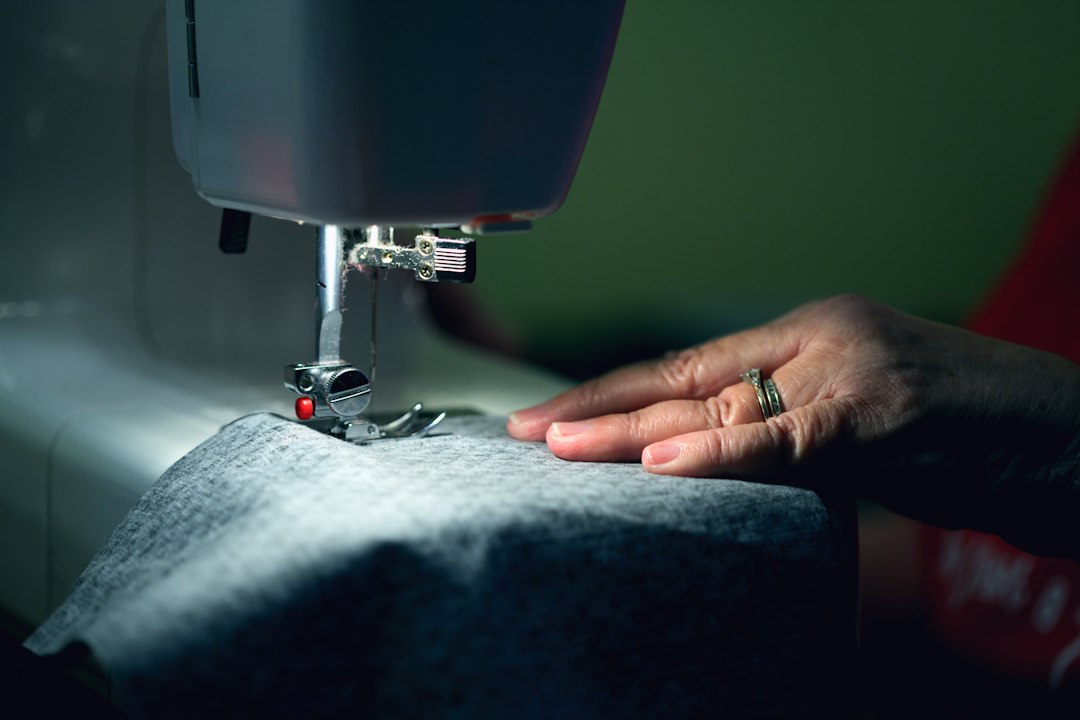
Most visitors meet Moroccan embroidery through a short, paid session. In Marrakech, one widely booked workshop lets you discover the elegance and refinement of Moroccan embroidery, guided by an experienced artisan who teaches traditional motifs in Fassi, Rbati, or Berber styles. These sessions are built for beginners: no sewing or embroidery skills are required, and the experience runs roughly 1.5 to 2 hours. In Fez, a similar option runs through Tripadvisor listings: a 2-hour workshop dedicated to traditional embroidery techniques, guided by skilled artisans, priced from £29 per adult.
That price and that duration tell you what you are buying: a taste, a finished souvenir, and a basic stitch or two. Real apprenticeship looks different. One American Peace Corps volunteer who learned the Fez stitch described the process honestly: she started learning the Fesi technique in December 2009 and learned it the same way generations of women had before her, by apprenticing under a master and making a sampler first. That is months of practice, not an afternoon.
Seven regional styles, one craft
Before you choose a teacher, choose a style, because they are not interchangeable. Textile researchers recognize seven recognised styles named after the towns where they evolved: Chefchaouen, Fes, Meknes, Tétouan, Rabat, Salé and Azemmour. Each has its own fabric, thread and finish.
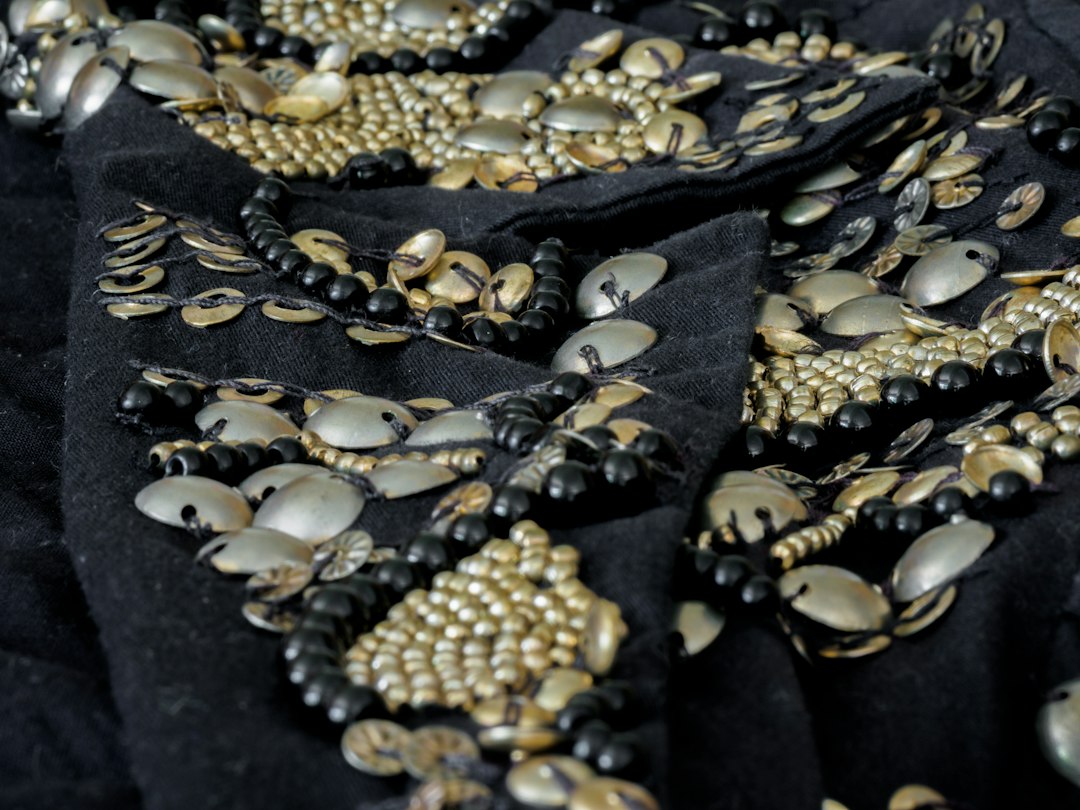
Fassi embroidery, from Fez, is the style most often called typically Moroccan. It uses blue or green as main colors with stitches mixing straight and crossed forms, and has no knots or tangles, so the fabric shows the same design on both front and back. Rabat's style takes the opposite approach to color and status: it is gold thread embroidery, often used for celebrations such as weddings or on festive clothes, and usually worked on heavier materials such as leather, velvet or silk. Further north, Chefchaouen embroidery is typically done on large pieces of cloth called arid, or hangings, while Tétouan work uses a traced-pattern method known locally as taâjira. Picking a teacher means picking which of these you actually want on your needle.
Where the real teachers work
The most reliable starting point is the Ensemble Artisanal network, a government-supported system of workshops found in most major cities. In Fez, the Ensemble Artisanal sits on Rue du Commerce in the Fes el-Jdid area, and is rated highly for leather, ceramics and embroidery. In Marrakech, the equivalent site on Avenue Mohammed V in Gueliz hosts the "Broderie & Couture de Marrakech" cooperative, where around 70 women work together, all equally benefiting from the items sold.
Outside the official network, independent cooperatives often take learners directly. The Nzala Women's Cooperative, about ninety minutes from Fez, is an all-women's embroidery association founded in 2014 that specializes in the Fessi style, known for its intricate and meticulous stitches, and it partners with visitors who want to try embroidering their own piece. Closer to the city itself, the Cooperative Artisanale des Femmes de Fes is listed among groups offering embroidery classes alongside historical textile preservation tours. If you want to compare several of these options before committing, the directory of activities in Morocco lists hands-on craft experiences by city, which is useful once you know which style and which town you want.
Can a two-hour workshop actually teach you to embroider?
This is the fair question to ask before paying for any lesson, and the honest answer is: mostly no, not to a level you could call skilled. The Fez stitch alone shows why. A cultural workshop organization that teaches it notes that unlike cross-stitch, the Fez-stitch is practiced on an even weave but is far more complex, with no rough work since the back and front stitching are the same. That reversibility is the entire technical challenge, and it is traditionally why brides would embroider it on household textiles for their trousseau, a task that took real time to master, not an afternoon.
A two-hour session cannot teach that kind of precision. What it can teach is the hand position, the basic stitch logic, and enough confidence to recognize good work when you see it in a souk. If your goal is a finished piece to take home, the short workshop delivers exactly that. If your goal is to actually embroider well, you need the apprenticeship model: repeated sessions with the same teacher, over weeks rather than hours, the way cooperative learners and Peace Corps volunteers alike have described it.
What changes once you pick your path
Once you know which style draws you, your next steps get specific. Decide first between Fassi silk work, Rabati gold-thread embroidery, or Amazigh geometric patterns, since each needs a different teacher and often a different city. Contact the relevant Ensemble Artisanal or a named cooperative directly, and ask upfront whether materials are included in the price or billed separately. If a two-hour session only leaves you wanting more, ask the same cooperative about returning for a second or third lesson, since most are run by women happy to keep teaching someone who keeps showing up.