


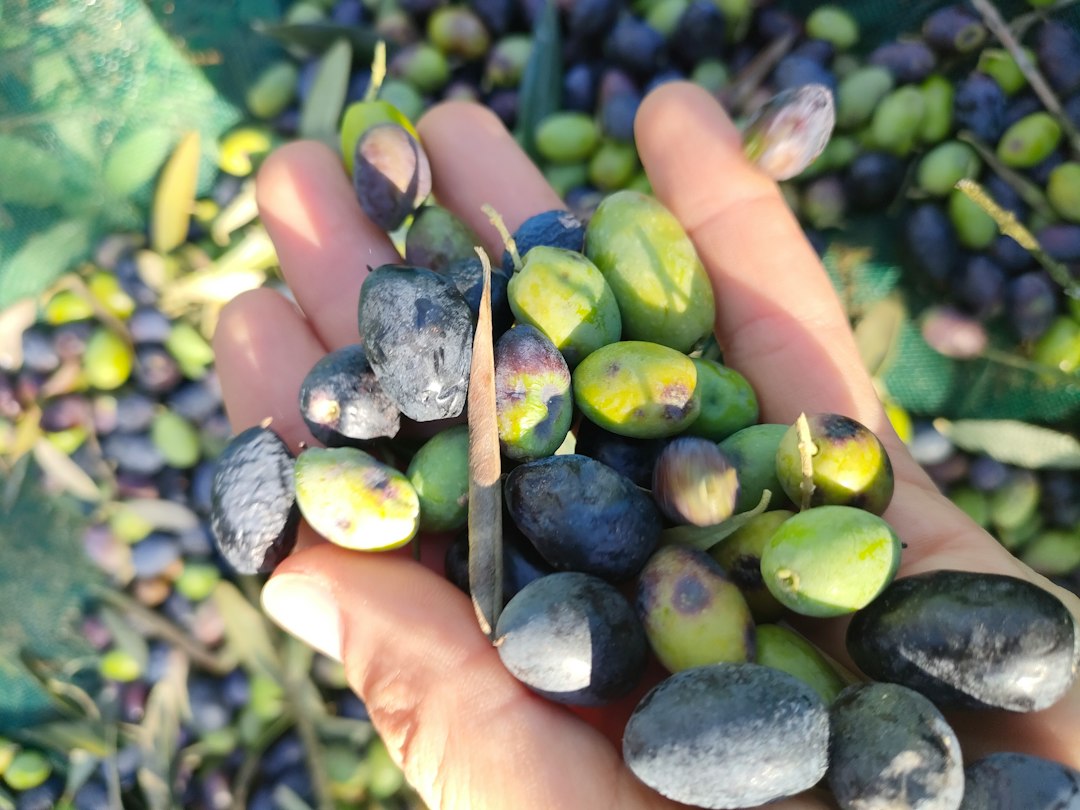
Most people buy their olives from a jar, but Morocco's olive harvest offers a second option: picking and curing your own. Each November, groves around Meknes fill with workers gathering Picholine Marocaine, the country's signature variety, before the fruit over-ripens on the branch. The process is not complicated, but it rewards patience over speed. This guide walks through the right timing, the picking technique, and the three home curing methods that turn a bitter raw olive into something worth eating.
When the olive harvest actually happens
The harvest season runs from mid-October to January, with the peak falling in November and December, and the Meknes-Fes basin supplies about 40 percent of national output, grown mainly from Picholine Marocaine and Haouzia trees. This is not a new rhythm. Near modern-day Meknes, the Roman site of Volubilis still holds well-preserved oil presses that show the scale of ancient production in the same groves.
The timing matters beyond tradition. The olive sector contributes about 5 percent of Morocco's agricultural GDP and demands more than 51 million workdays a year, roughly 13 percent of all agricultural work in the country. If you plan to pick your own fruit, aim for a visit between mid-November and mid-December, when both oil olives and table olives reach their best ripeness together.
Picking the right olive at the right moment
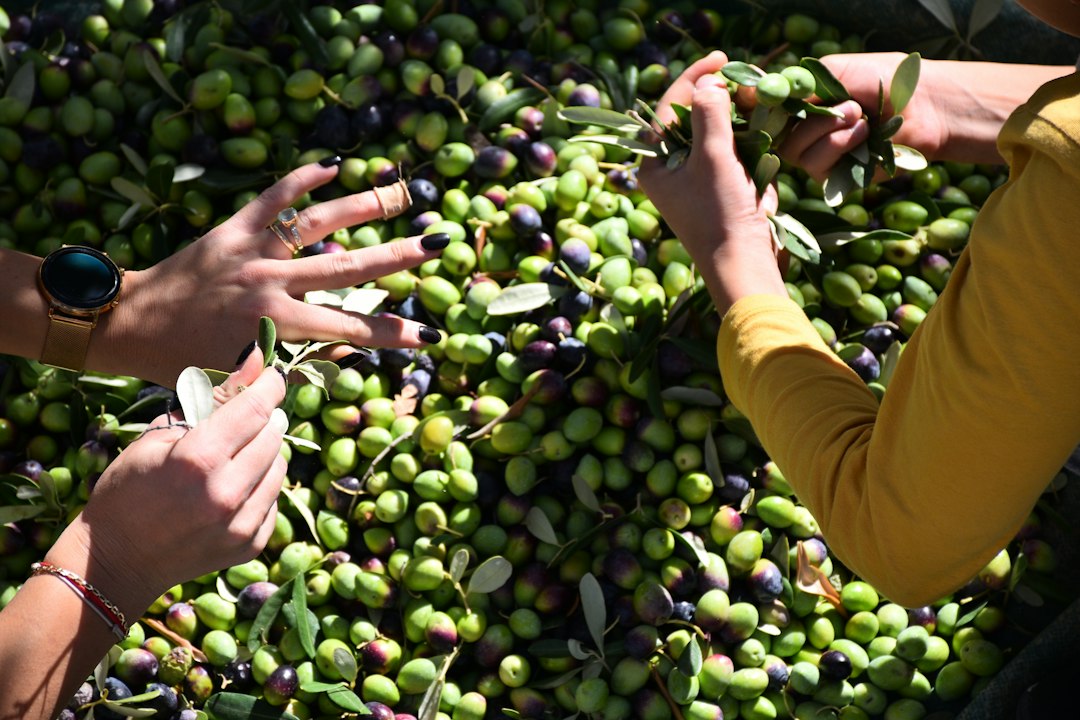
Variety matters as much as timing. Picholine Marocaine accounts for roughly 96 percent of Moroccan olive production and covers more than 700,000 hectares of traditional olive-growing land. The fruit weighs between 2.5 and 4 grams and yields 16 to 22 percent oil, depending on how ripe it is when picked.
Testing ripeness takes seconds. Squeeze a sample olive before you fill a basket: a fruit that is ready to brine releases a milky liquid when pressed. Keep your harvest sorted as you go. Separate green olives from black ones, since the green fruit is less mature and needs longer in brine to lose its bitterness.
Joining a harvest without owning a tree
Not everyone has a family grove, and the Meknes region makes up for that. Groves and small family-run presses dot the areas around Meknes, Fes and Marrakech, and a local guide can often arrange a visit to a village cooperative or producer during harvest season. Through November and December, these cooperatives run their maasra, the traditional press, filling the air with the smell of freshly pressed oil while shops sell the season's new batch.
If you want a harvest day without a tree of your own, you can browse guided tours and local experiences to find a cooperative visit near Meknes or Fes. Many open their doors specifically during the picking weeks, so book ahead rather than showing up unannounced.
Three ways to cure olives once you've picked them
Raw olives, whatever the variety, are too bitter to eat straight from the branch. Home curing works through water, direct brine or dry salt, and each method has its own strength, timing and warning signs for spoilage.
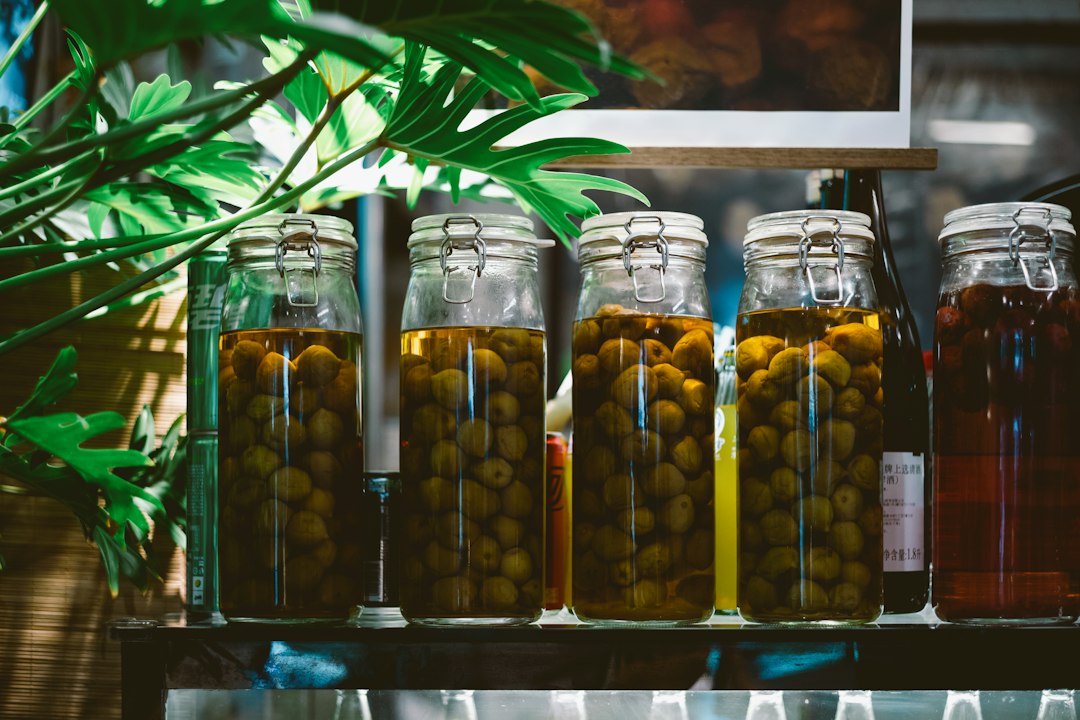
Water curing suits delicate green fruit. Cracked or slit green olives need 8 to 12 days in changed water, while whole olives, green or black, take 10 to 20 days or longer. Brine curing is the method most home cooks reach for first. For storage, mix 80 to 100 grams of salt per litre of water, giving a brine strength of 8 to 10 percent. Brine-curing ferments whole or slit olives over one to three months and produces the most complex, lactic flavour of the three methods.
Dry salt curing skips water entirely. Ripe black olives sit in coarse salt for two to five weeks, coming out intense, wrinkled and concentrated in flavour. Choose brine if you want a softer olive you can eat within a season. Choose dry salt if you prefer an intense, chewy result and do not mind the longer wait.
Is curing olives at home actually safe?
The honest objection deserves a straight answer: yes, but only if you respect two things. Lye curing is the fastest route, ready in one to three days plus long rinsing, and it is also the least forgiving method of the three. Mixing lye into water generates real heat, and the solution must never touch aluminium, tin, lead or zinc-galvanized containers, since the chemical reacts with those metals.
Spoilage is the second real risk. University extension guidance is blunt on this point: if olives at any stage turn moldy, soft or develop a bad smell, discard that batch rather than taste it to check. Improperly home-canned olives have caused botulism poisoning, which is why tested recipes and correct storage temperatures matter more than shortcuts. For a first attempt, stick to brine or dry salt curing, keep the fruit fully submerged under the liquid, and taste small batches as the weeks pass rather than waiting until the end.
If the olive harvest fits your calendar, the reward is tangible: olives that cost almost nothing beyond salt and patience, cured on your own timeline instead of a factory's. Start with a small batch during the November peak, pick ripe Picholine Marocaine by the milky-liquid test, and choose brine over lye for your first try. Once that first jar turns out well, scaling up next season is simply a matter of buying a bigger container.