

A 30 ml bottle of real prickly pear oil can cost more than a week's shopping, yet online stores sell the same volume for the price of a coffee. That gap is the first clue, not a footnote. Morocco produces the genuine oil in small cooperatives near Agadir and Essaouira, pressing seeds by hand for days to fill a single bottle. Spotting the real product means reading the label, checking the price against the yield, and knowing which claims about colour to trust. This guide works through each test in order.
Why prickly pear oil costs so much in Morocco
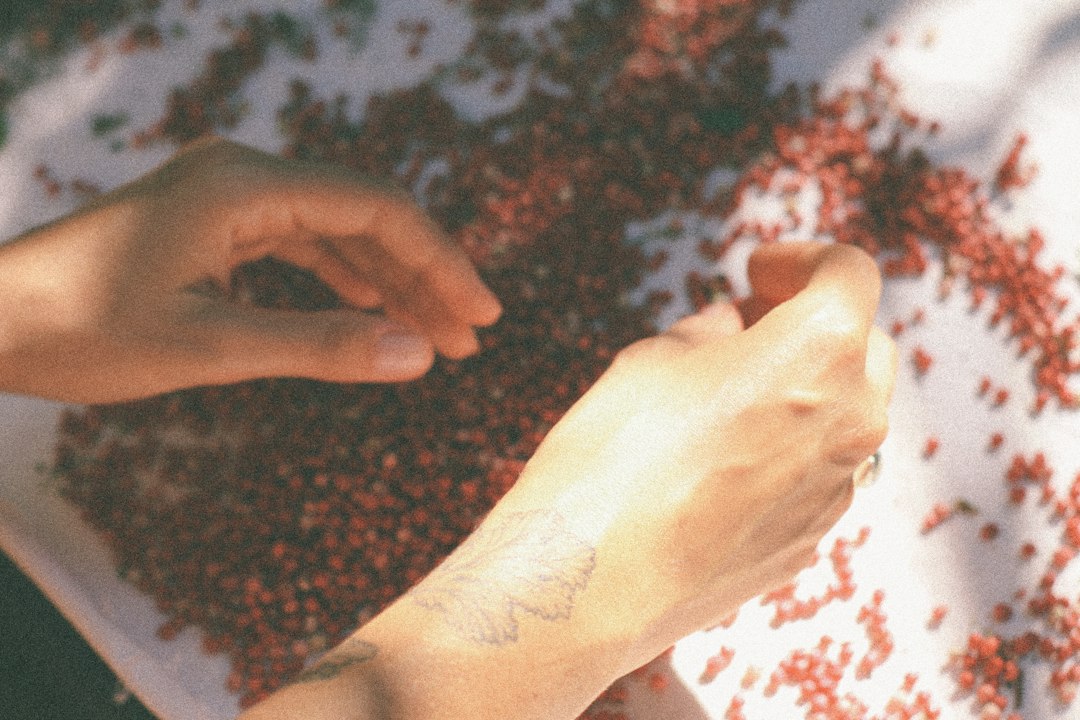
Start with the number that explains everything else. It takes around 1,000 kg of prickly pears to yield just 50 kg of seeds, which are then cold-pressed for 48 hours to produce a single liter of pure oil. That ratio sets a floor under any honest price.
Wholesale listings from Agadir show the result of that math directly. Pure and organic prickly pear seed oil from Agadir, Morocco sells for USD 330 to USD 1000 per liter at wholesale. At retail, a small bottle of prickly pear seed oil typically costs 150 to 400 or more Moroccan dirhams for 30 ml. Some batches extracted purely from the seed reach prices of up to 3,000 euros per liter, while the oil macerate, a less concentrated and less expensive blend, ranges between 80 and 100 euros per liter.
A Moroccan beauty buyer's guide puts the rule plainly: price is the biggest clue, because genuine prickly-pear oil is one of the world's most expensive cosmetic oils, so a large, cheap bottle is diluted or mislabelled. If a seller offers a full litre for the price of a single argan oil bottle, walk away.
Read the label before you read the price
Price alone will not protect you from a clever label. Two different products share similar names, and sellers blur the line between them on purpose. The price difference between prickly pear seed oil and prickly pear flower oil macerate comes down to their composition, since one is pressed from seeds and the other is a soaked blend.
Check the exact wording on the bottle. The label should say "prickly pear seed oil," not just "prickly pear oil," since the latter usually comes from the fruit and carries a fraction of the nutrient profile. The ingredient list settles any doubt. For pure prickly pear seed oil, the INCI name should read Opuntia Ficus-Indica Seed Oil.
Extraction method matters as much as the plant part used. Look for "Opuntia ficus-indica" and the word "cold-pressed" on the label, not just "prickly pear oil." Certification adds another layer of proof. One Moroccan supplier lists its grade as Extra-Virgin, Pure Seed-Only Oil, with Organic Certification through USDA, NOP, CCPB and ONSSA, the kind of detail a diluted product rarely bothers to provide.
Colour and scent: where even sellers disagree
This is the part where buying advice starts to contradict itself, and you should know it before you trust your eyes. Several sources describe pure oil as dark. Pure prickly pear seed oil has a dark yellow, borderline very light green colour, and a relatively darker colour compared to argan oil, according to one supplier guide. Another source agrees on the green tone: authentic cosmetic prickly pear seed oil is often pale greenish or green-gold.
Other sellers describe the opposite. Real prickly pear seed oil is a clear, pale gold colour, and if it's dark, murky, or strongly fragranced, you should walk away. A third guide goes further still: if the oil is clear or green, it's not authentic, it must be a golden color to be the real deal. One brand splits the difference, describing genuine oil as a medium golden to green colour, a rich fatty texture, and a definite fragrance, slightly toasted, floral and sweet.
These claims cannot all be right at once, and that is the honest answer here. Colour varies with harvest, pressing and storage, so it is not a reliable single test on its own. Treat it as a tiebreaker, not a verdict, and lean on the label and the price first. If you want to compare bottles in person before trusting your nose, the shops in Morocco directory lists sellers who can show you sourcing details on request.
On scent, the sources line up more consistently. Pure prickly pear seed oil is generally perceived as having quite a strong, potent, very nutty smell, and a good quality oil has a mild, slightly nutty scent, while anything heavily fragranced is a red flag for synthetic ingredients. A sour, waxy or off smell signals spoilage rather than quality, whatever the colour of the bottle.
Buying from a cooperative changes what you can check
Sourcing is where price and label claims become easier to verify in person. One Moroccan cooperative supplying Agadir describes its process directly: prickly pear seed oil is one of the rarest and most expensive beauty oils in the world, and its production requires a labor-intensive process, taking up to four days, manually handled by Moroccan women at cooperatives.
A Morocco-focused buyer's guide draws the practical conclusion from this. Buy tiny bottles from a reputable cooperative that can explain its sourcing, expect to pay a real price, and be sceptical of bargain "pure" cactus oil. The same logic repeats elsewhere: buy small quantities from a women's cooperative that can explain its sourcing and let you see the process.
A cooperative selling in person or through a named storefront cannot hide behind a vague supply chain the way an anonymous online listing can. Ask who pressed the oil, where the fruit grew, and how recently the batch was bottled. A seller who cannot answer any of these questions is not worth your money, however attractive the bottle looks.
What changes once you shop this way
Accepting these checks changes how you shop, not just what you believe. You stop judging a bottle by its colour alone and start asking for the INCI name, the pressing date and the cooperative behind it. A serious seller will hand over this information without hesitation, because cold-pressed seed oil with batch numbers, lab-reported fatty-acid data, and recent harvest dates matter more than marketing claims.
Expect to pay close to the real cost once you know the ratio behind it: a ton of fruit for a single litre of oil. Buy small, buy from a named source, and treat a suspiciously cheap bottle as a warning rather than a bargain. That one habit protects your money and your skin far better than trusting a label's colour description ever will.