


Your first jar of homemade preserved lemons can turn moldy, mushy, or strangely bitter if you skip details that Moroccan households treat as rules, not suggestions. Preserved lemons are the salted, fermented citrus behind the deep flavor in tagines, salads, and fish dishes across Morocco. Get the lemon, the salt, and the timing right, and a jar on your counter will outlast most produce in your fridge. This guide breaks down the choices that actually matter.
The choices below are not competing recipes. They are the decision points that separate a clean, long-lasting jar from a spoiled one, based on how Moroccan kitchens and documented regional methods actually handle the process.
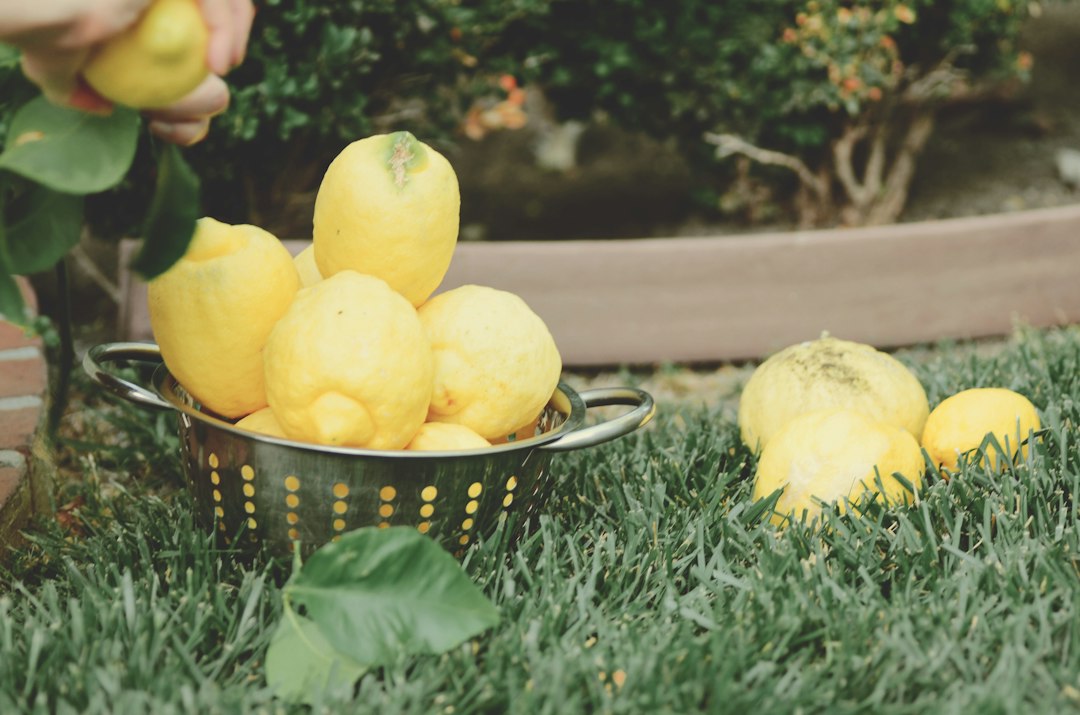
Choosing doqq or boussera lemons
Moroccan cooks favor two local varieties over all others. The varieties of lemon used to make Moroccan preserved lemons are called doqq and boussera, both round in shape, golden yellow to yellow-orange in color, thin-skinned and fragrant. Markets across the country sell them simply as citron beldi. Outside Morocco, select Meyer lemons, or Eureka lemons when Meyer are out of season.
Picking coarse, unrefined salt
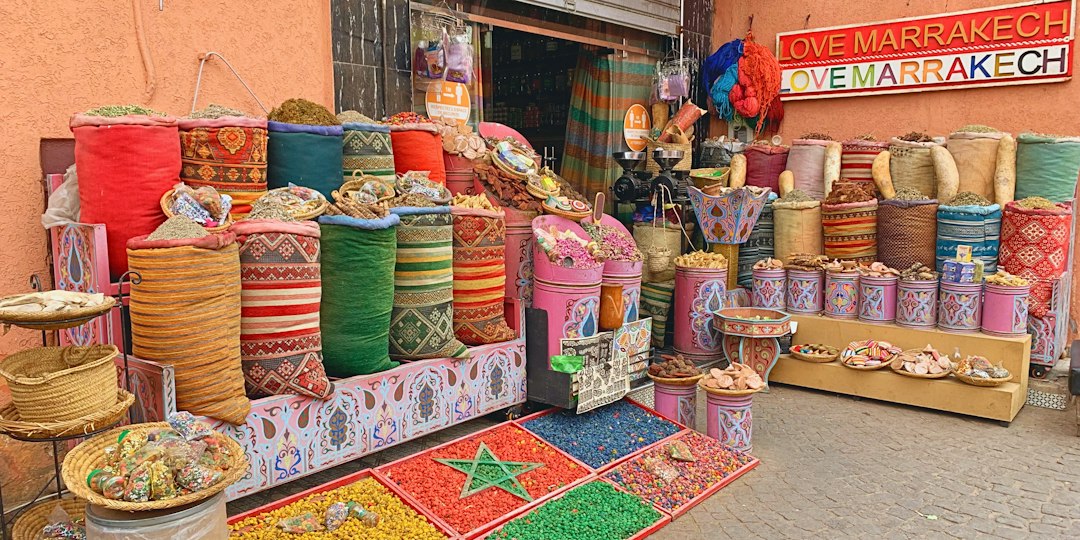
Salt choice changes the outcome as much as the lemon does. Avoid regular table salt, since the iodine in it can interfere with fermentation and create a metallic taste; kosher or coarse sea salt gives a clean, pure flavor and proper preservation. Fine salt draws the juice out too fast and can make the peel unpleasantly gummy, while coarse sea salt or kosher salt gives an even, slower cure and a firmer rind.
Sizing your jar correctly
Jar size determines how much salt and juice you need, not just how many lemons fit. A rough guide is about one tablespoon of coarse salt per lemon, plus a few tablespoons more to line the jar's bottom and scatter between layers. A 500ml jar holds three to four small lemons with four tablespoons of salt and one extra lemon for juice, while a one liter jar holds six to seven lemons with eight tablespoons of salt and two to three extra lemons for topping up.
Cutting the lemons without wasting juice
Most recipes split the lemon into quarters without cutting all the way through, so it opens like a flower but stays in one piece. Rotate the lemon 90 degrees for a second cut, again stopping short of the base, so it opens like a flower with four attached quarters. If you have small, thin-skinned Moroccan lemons, skip the quartering. Leave them whole and make a deep slit near the lemon's nipple instead.
Pressing the jar daily for the first week
Packing the lemons is only the start; the first days decide whether the jar succeeds. For the first three or four days, open the jar once a day and press the lemons down with a clean wooden spoon so the salt keeps drawing juices out. Lemons need to stay under their own liquid the whole time. If any lemons float above the brine, mould can develop, so push them back down and top up with extra lemon juice if needed.
Adding Safi spices, if you want them
Plain salt and lemon is the traditional base, but some cooks add a regional spice blend. One well-known option is the Safi mixture, a spice blend with origins in the Atlantic coastal city of Safi, Morocco. Bay leaves, cinnamon, coriander seed, and black peppercorns are common additions as well. None of these change the curing time, only the final flavor when the lemons reach the tagine or salad.
Waiting three to four weeks for the cure
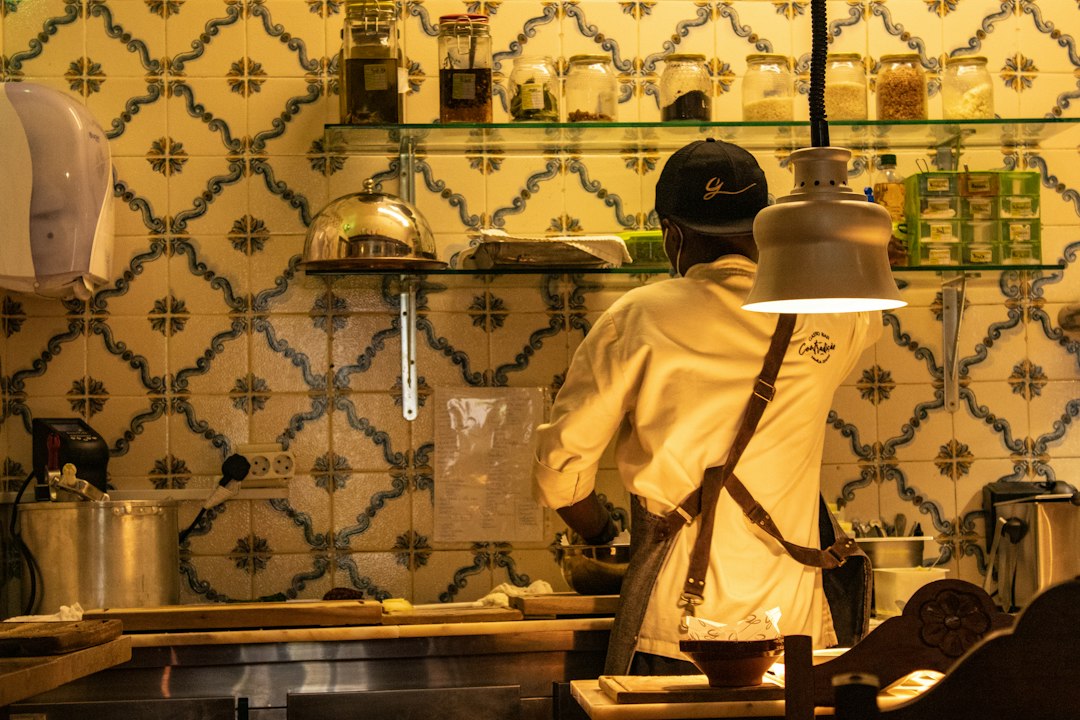
Patience matters more than any ingredient in this process. Moroccan tradition calls for about a month of curing before the lemons become a kitchen staple for tagines, stews, and salads. Many home cooks find the rinds soft and ready after about four weeks, once they have turned very soft. Resist the urge to open the jar early, since the rind needs the full cure to lose its bitterness.
Storing and using preserved lemons
Once cured, preserved lemons keep for months, not days. Stored in the fridge, they keep for around six months, and even longer if you process them in a canner. To use them, scoop out what you need, scrape away the soft pulp, rinse the peel, and dice it into your dish. Because the peel is already salty from curing, add any extra table salt to the dish only after the preserved lemon goes in.
How to choose between them
Your decision starts with what you can buy. If a shop or an import source stocks Moroccan doqq, boussera, or Beldi lemons, use them and expect a shorter cure, since the skin is thin. Meyer lemons are the closest substitute when you are working from a regular grocery store.
Jar size should match how often you cook with preserved lemons. A 500 ml jar covers a handful of tagines, while a larger batch lasts a busy household most of the year. Add Safi spices only if your dish wants a bolder, savory edge, and keep the lemons plain for salads and dressings where pure citrus matters more. Either way, give the jar its full three to four weeks before judging the result.